Oildex/OpenInvoice
B2B Accounting, Compliance, and Invoicing Software
I established the user-centered design program for the merger of 2 SaaS platforms (Oildex and OpenInvoice). My work resulted in unified experience strategy, infused the voice of the customer, contributed to increased CSAT and customer engagement, and reduced churn.
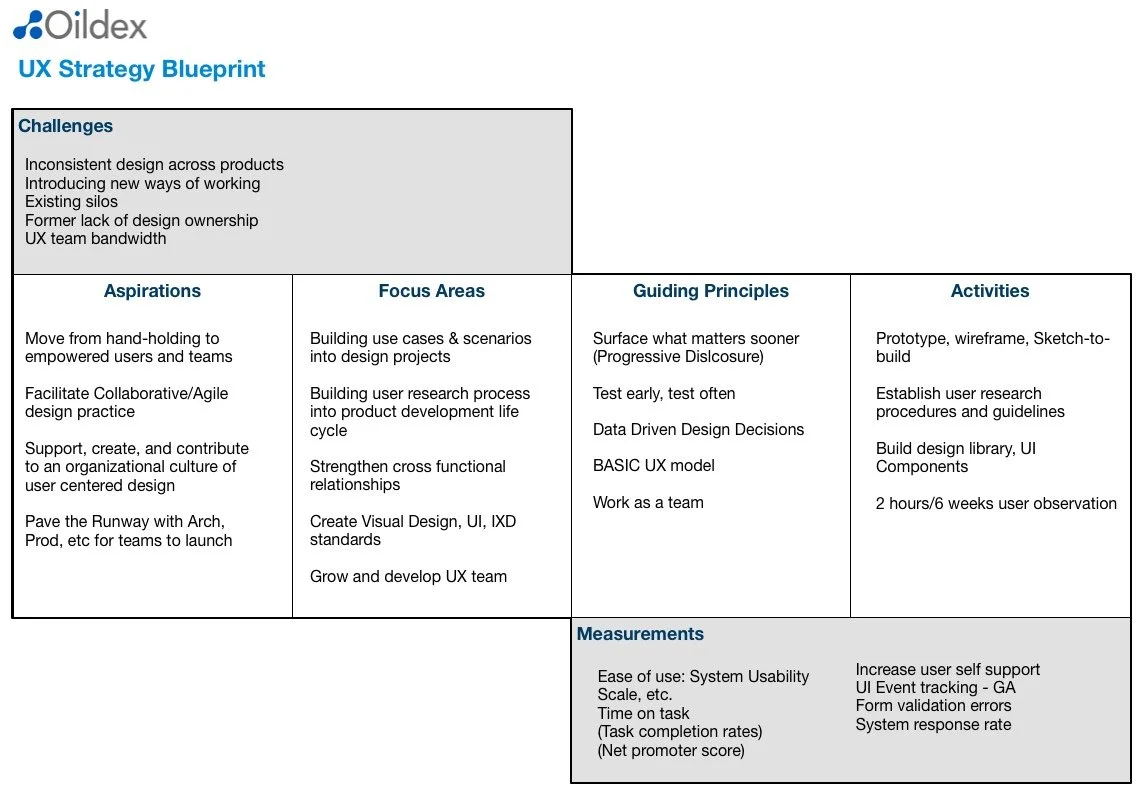
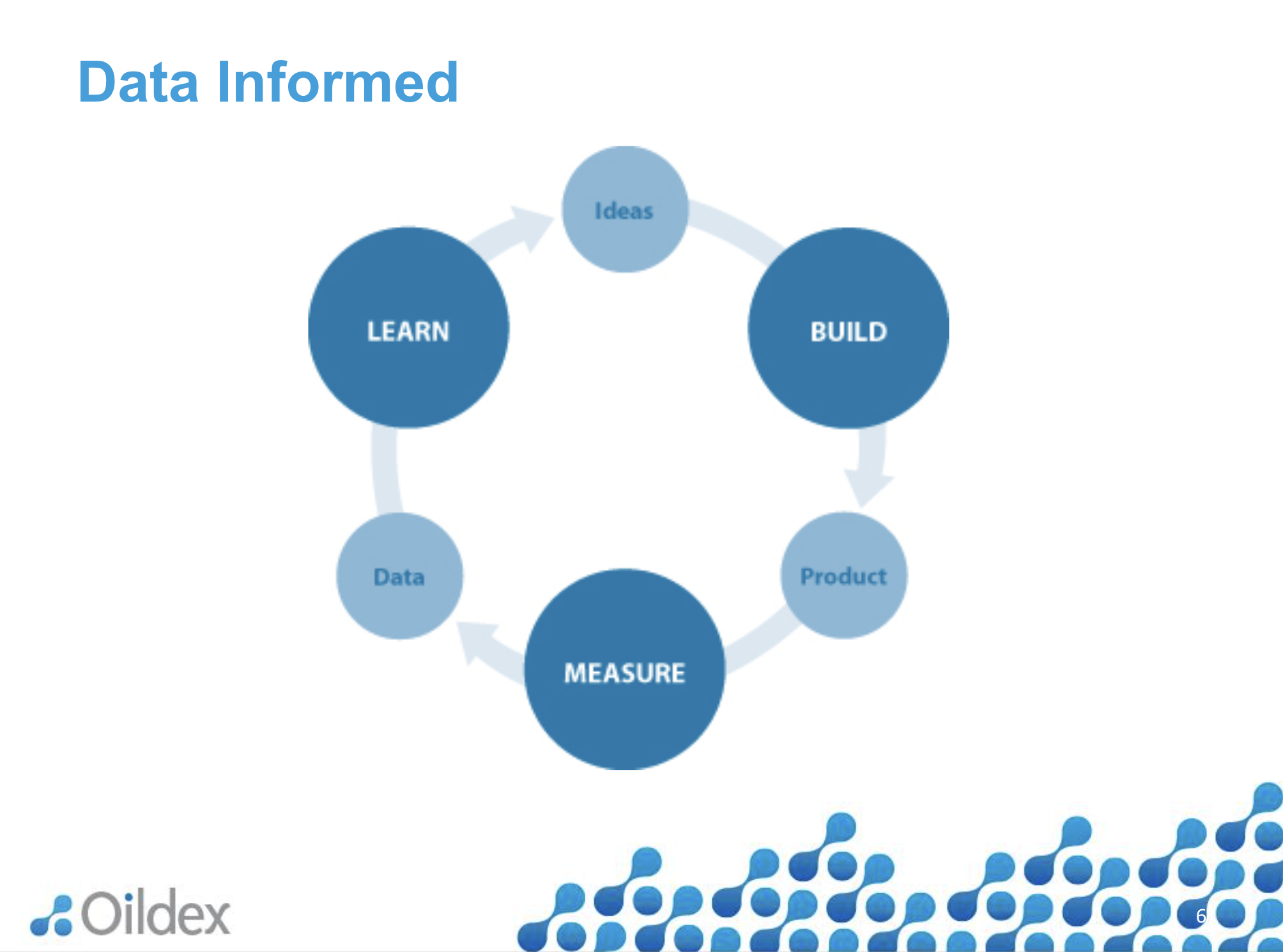
I created the UX blueprint document (Left) to create alignment and purpose for our team. Part of our strategy included transitioning to an iterative Learn-Build-Measure workflow (Above).
Starting at the foundation, I created a UX strategy blueprint that aligned multiple product groups around a singular vision for our user-centered approach. I identified challenges, aspirations, and activities that drove the development of features and design maturity across products.
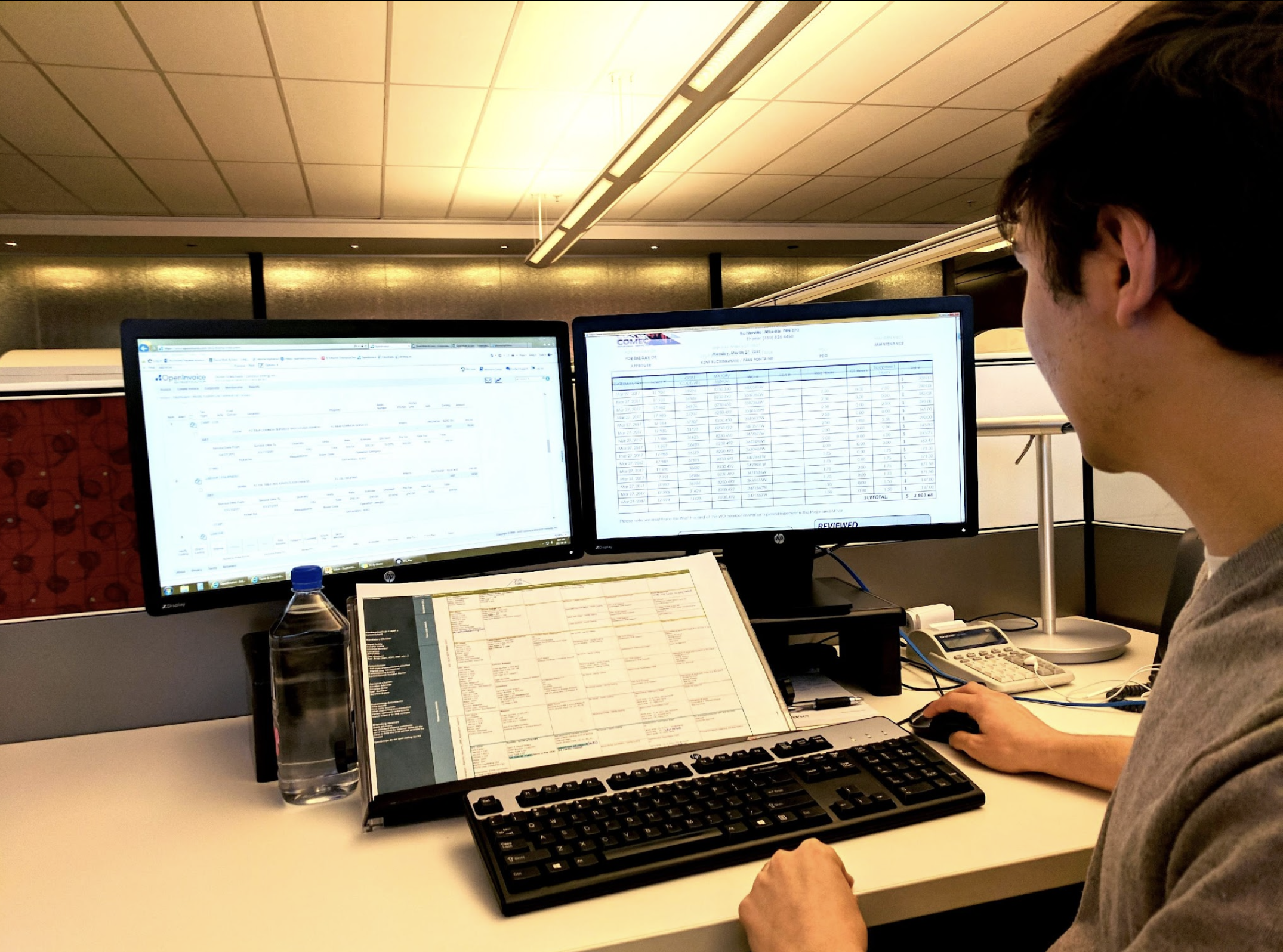
To support our UX vision, I developed a comprehensive user research practice involving usability benchmarking, onsite and remote moderated testing, and a portable test lab with eye-tracking tools. We infused the voice of our customers into design which directly influenced enhanced functionality across various product environments.
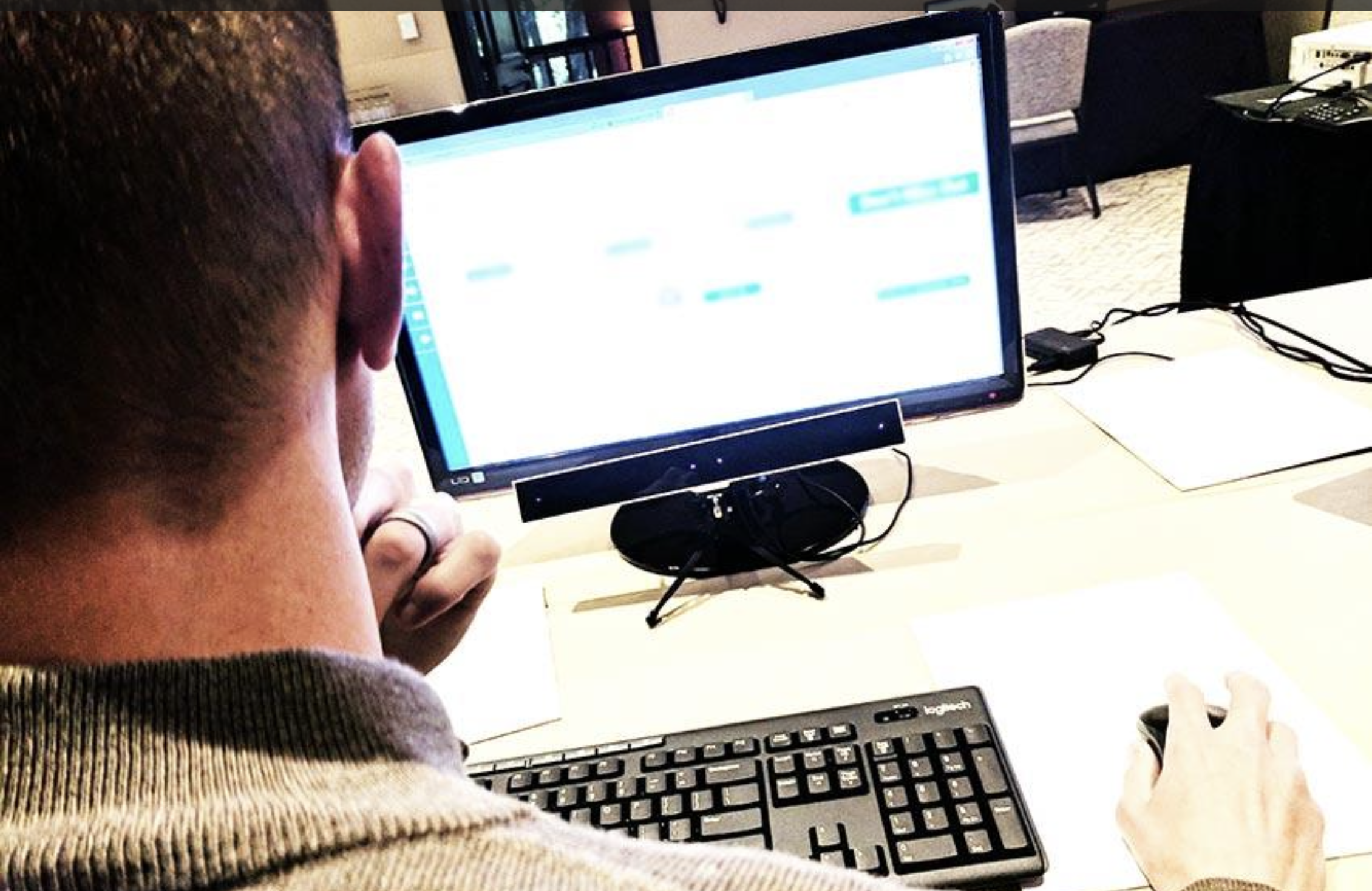

Above: A user research participant completes a task using my GazePoint eye-tracking setup. Below that is a heatmap generated by the eye tracker.
Above Right: A participant demonstrates his most frequent workflows in our software during a moderated user test session.
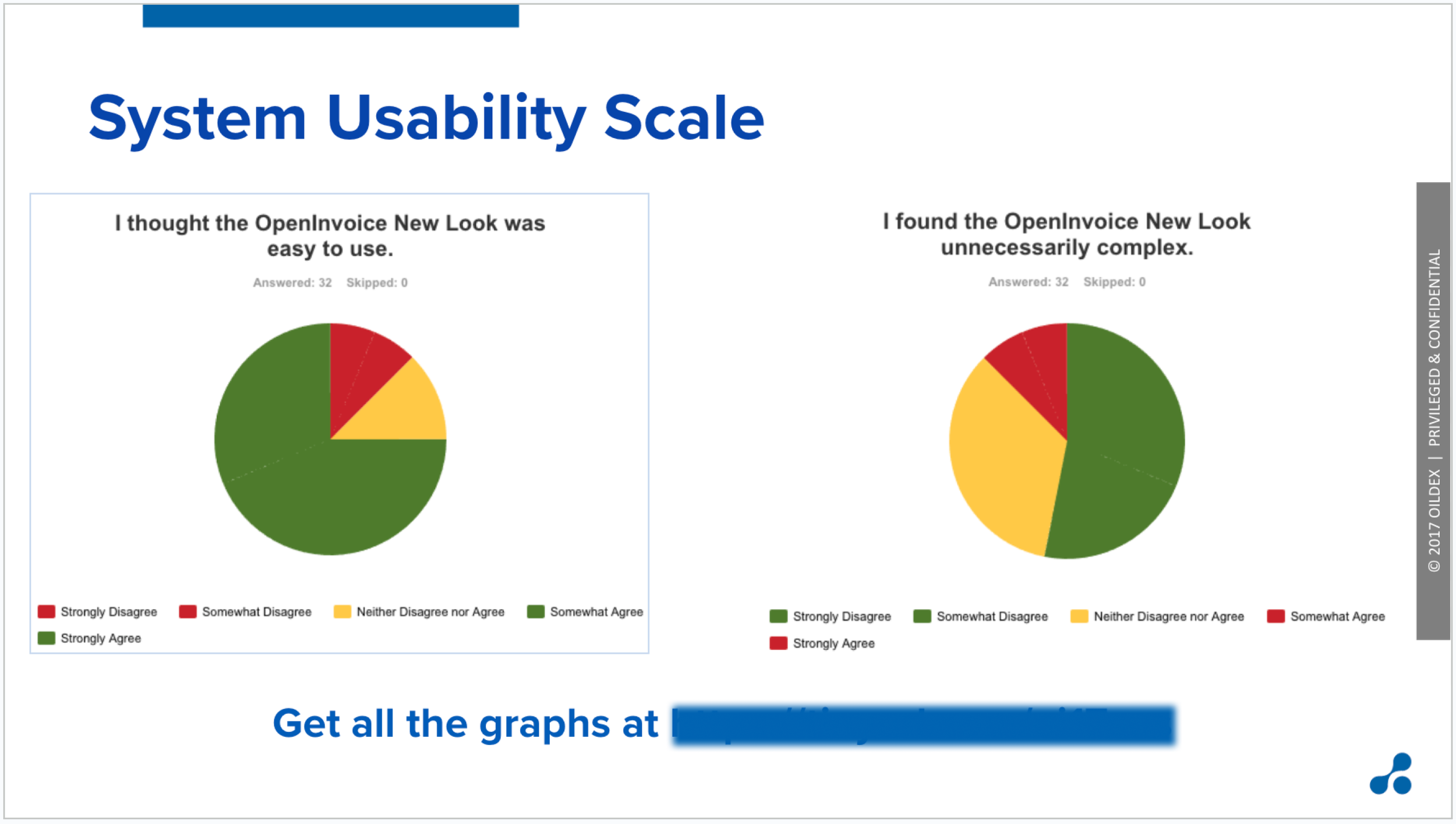
Bottom Right: I created these charts to show our usability scores for an executive presentation on usability benchmarking efforts using the System Usability Scale measurement.
By incorporating customer feedback, we zeroed in on primary navigation paths, tedious app activities, and real-world mobile scenarios. Using a sketch-to-build development methodology, I delivered a combination of annotated wireframes and prototypes that developers could then build.
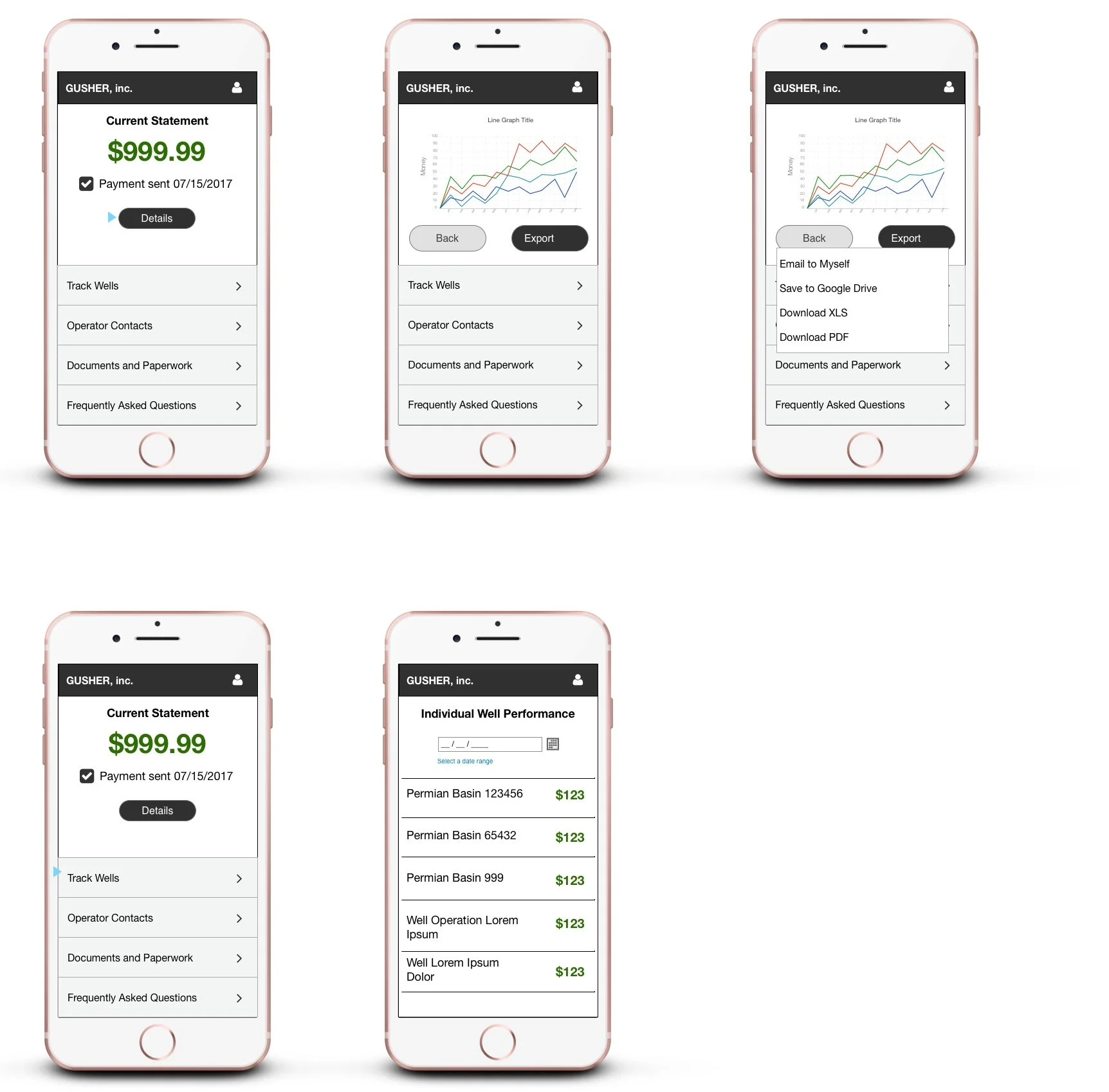
Above: I created this prototype of a mobile app to eliminate the legacy manual process of sending monthly paper statements.
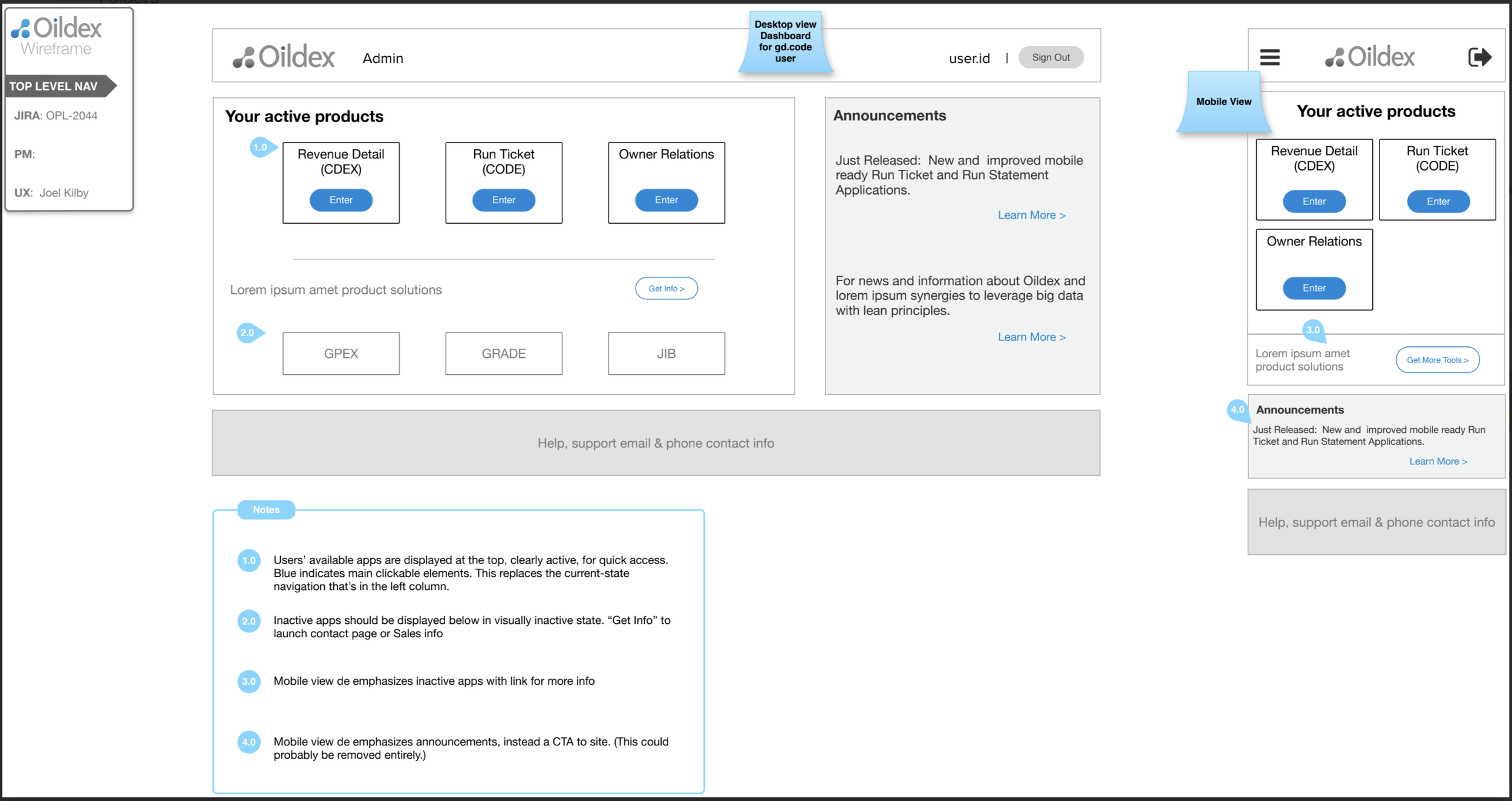
Top Right: Annotated wireframes I delivered that detailed responsive dashboard navigation.
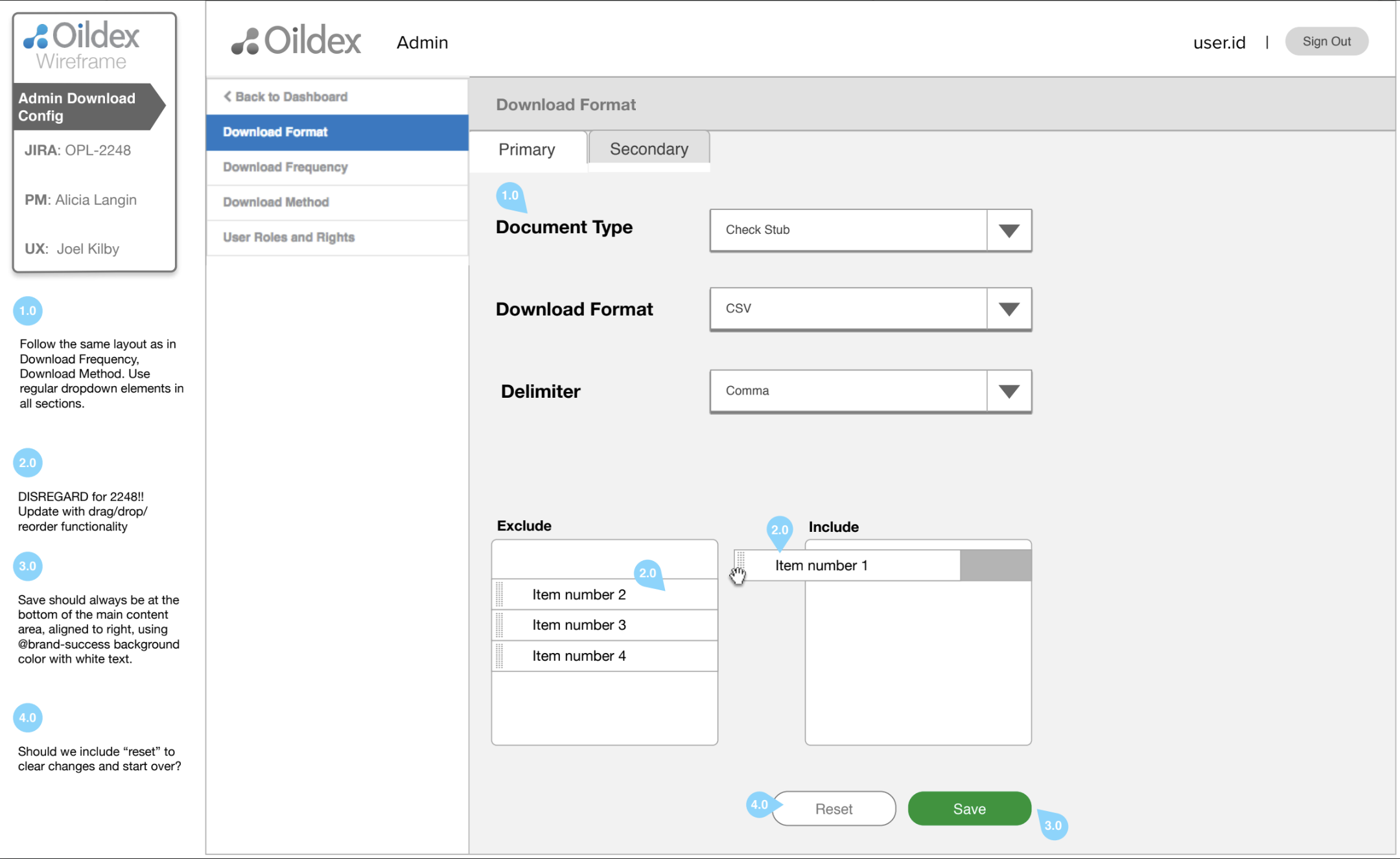
Bottom Right: Wireframes I delivered that demonstrated a user-requested drag and drop interaction for configuring file downloads.
This work drove these results across a suite of applications:
Reduced time on task by elevating the prominence of common actions and reducing tedious steps
Improved retention and customer satisfaction by streamlining multiple workflows
Upgraded paper-based invoicing procedures to mobile-friendly digital workflows, speeding up approval times by over 100%